

Make Your Stormwater
Infrastructure More Responsive.
Water levels change. Storms approach. Downstream conditions shift. smartPOND connects monitoring and automated controls so your stormwater system can respond to a defined operating plan. Work with R.H. Moore to evaluate the right approach for your Florida project.
What Does Your System Need to Do?
Start with the operating problem, then select the controls, treatment and hardware together. One project may need a single application; another may combine several within an engineered control strategy.
Improve Water Quality
Evaluate controlled settling through batch detention or pumped filtration when runoff needs additional treatment. Explore Batch Detention →
Explore Pump and Treat →
Use Storage More Effectively
Compare real-time outlet regulation with forecast-informed preparation for an approaching storm. Explore RTO →
Explore Predictive Weather →
Manage a Specific Condition
Review wetland diversion, receiving-water constraints or a custom operating sequence. Explore Wetland Controls →
Explore Custom Solutions →
Monitoring, Logic & Water Control
Monitor
Use selected sensors to observe water levels and other relevant conditions. Identify which readings are needed to support the operating objective.
Decide
A programmable controller applies the engineered logic to those inputs. Define normal operation, limits and operator responsibilities before commissioning.
Act
A selected valve, gate, weir or pump changes how water moves. Available dashboard and alert functions depend on the specified package and communications.
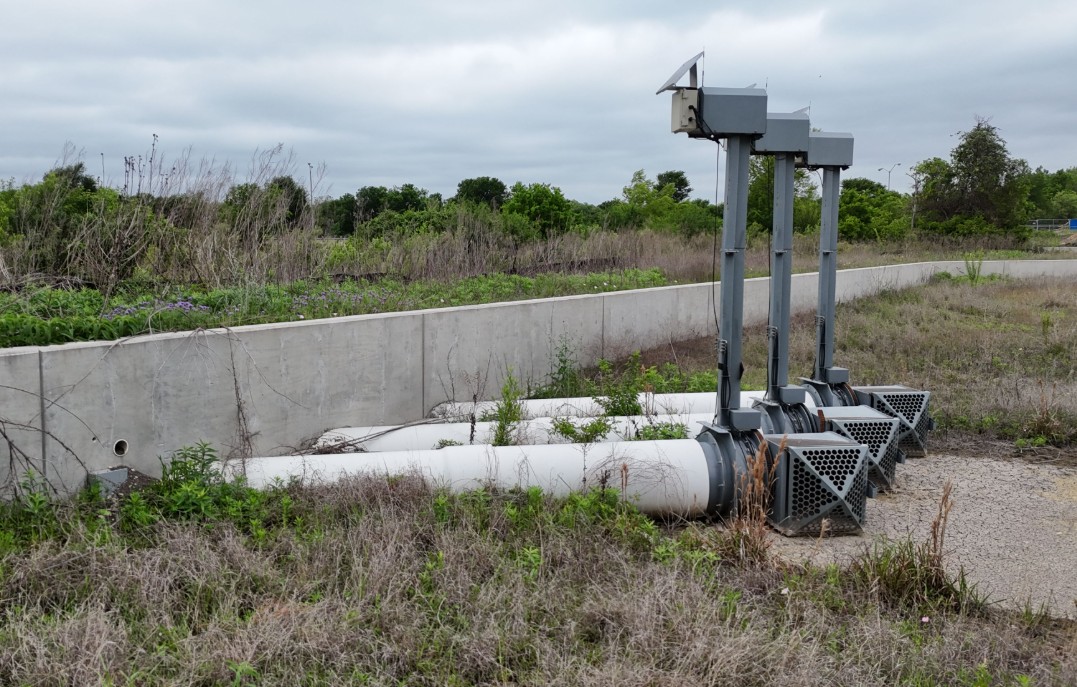
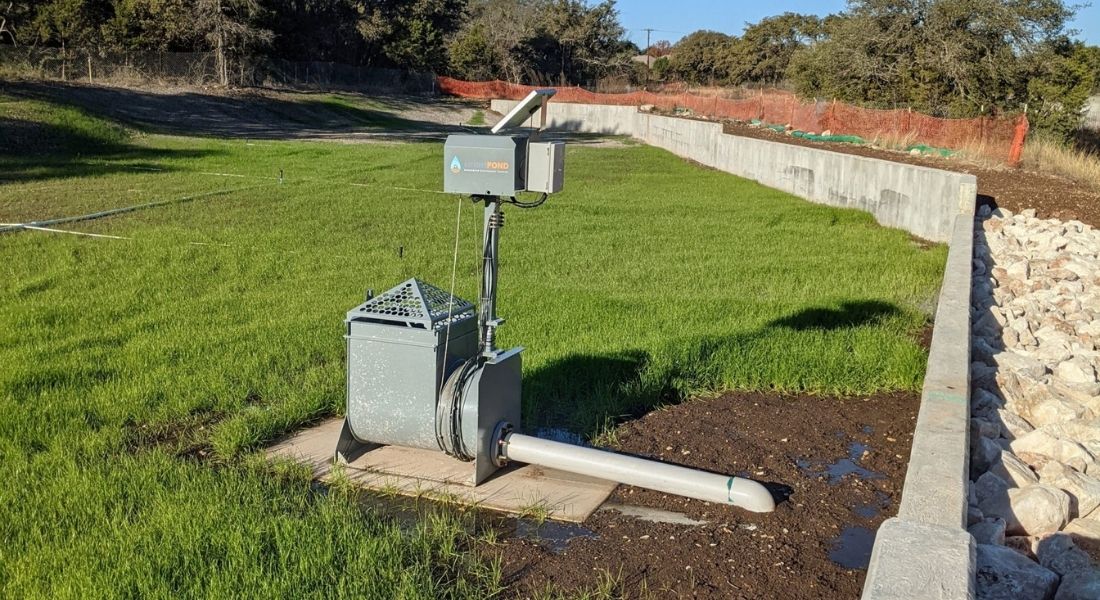
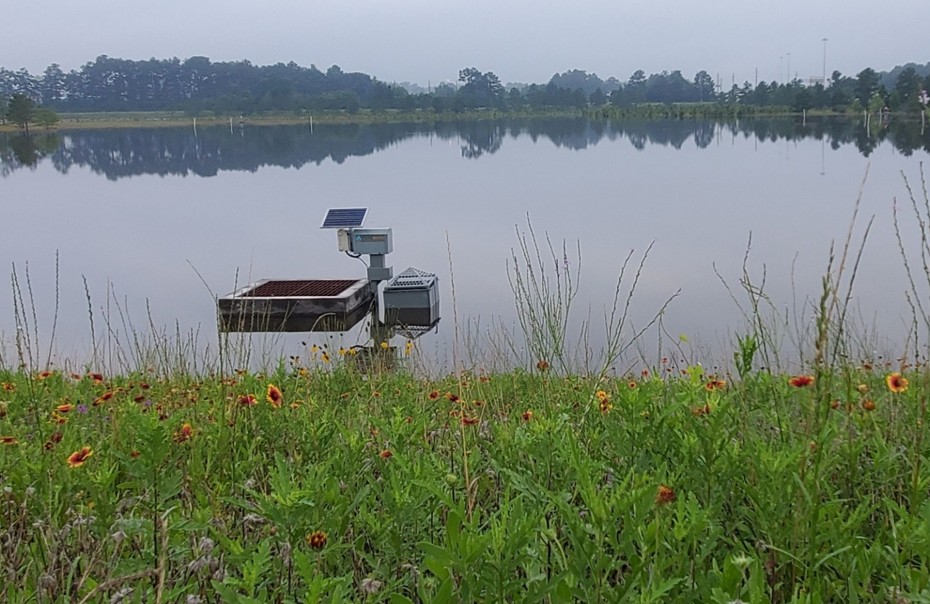
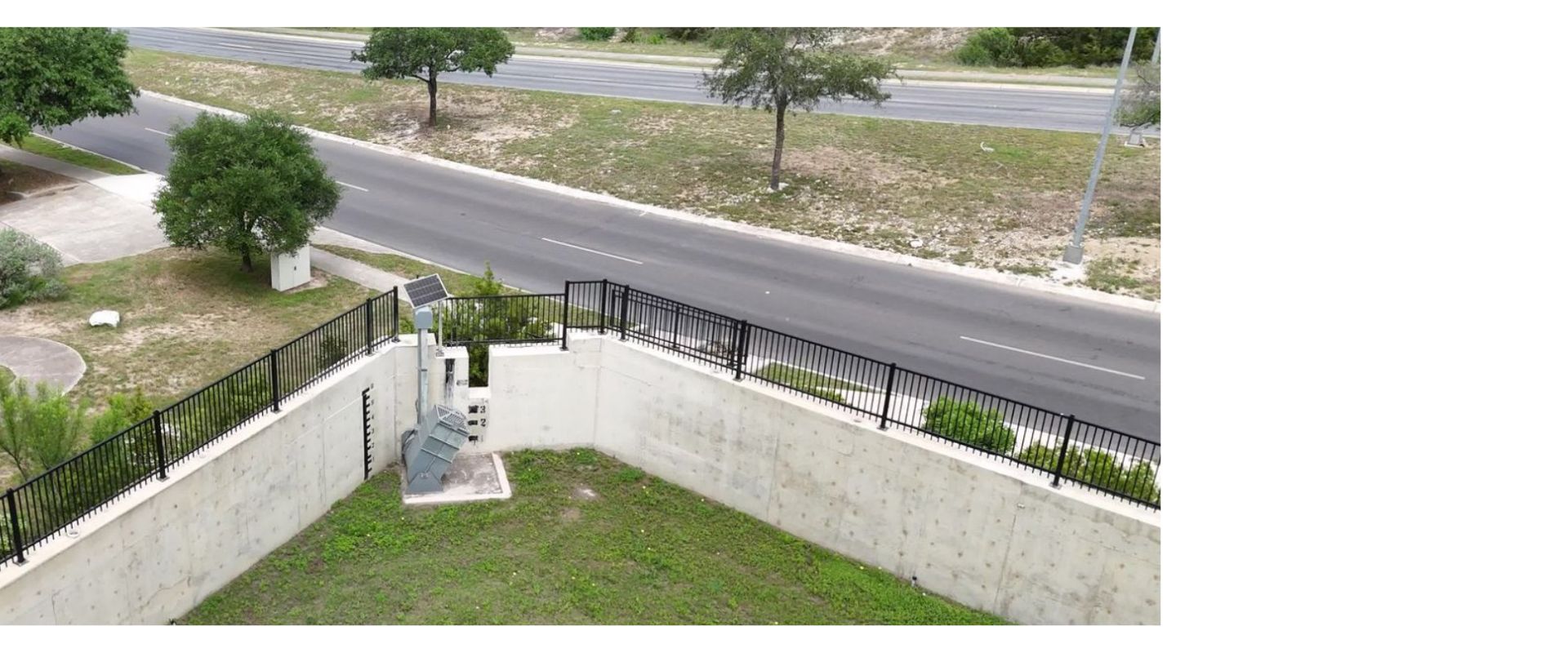
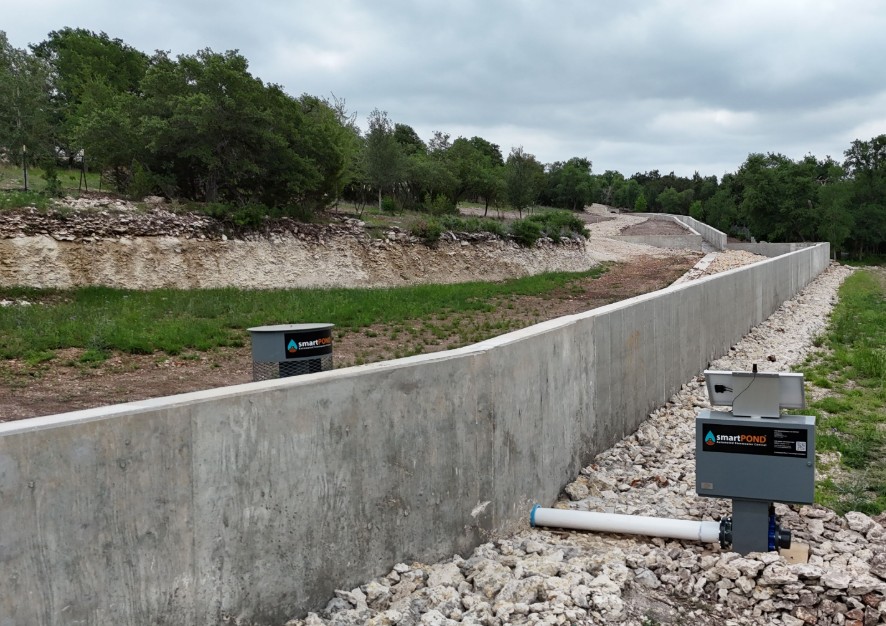
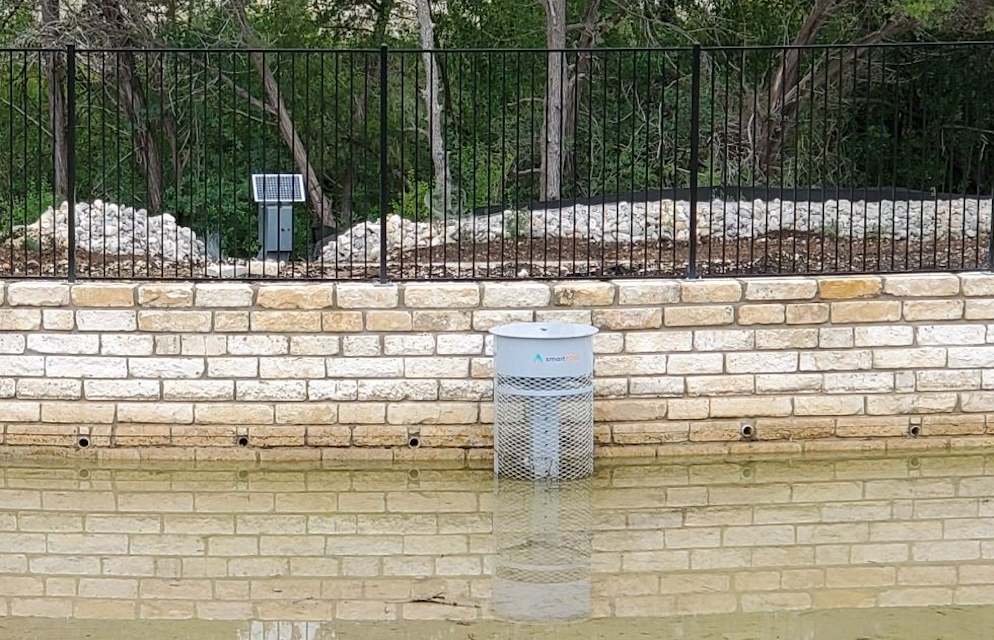
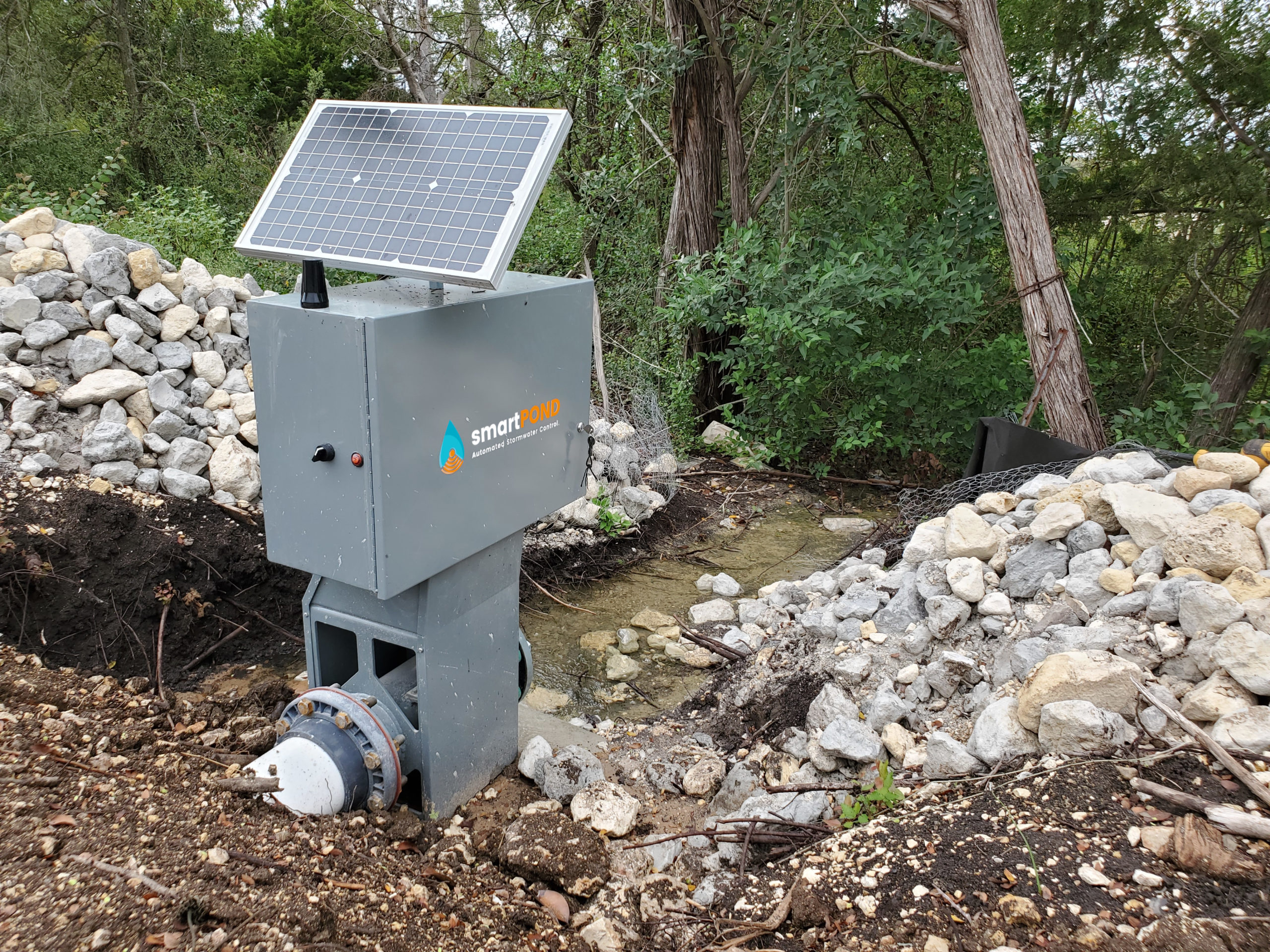
Batch Detention: Hold, Settle, Release
Batch detention temporarily holds the water-quality volume so suspended material can settle before controlled dewatering. Convergent describes a typical sequence of a 12-hour hold followed by release over 36 hours; timing must be established for the project.
Where to Evaluate It
Consider basins where controlled residence time could support a settling-based treatment strategy. Confirm the required water-quality volume, available storage and outlet conditions.
What It Changes
The outlet follows a programmed sequence instead of immediately passing all incoming runoff. Settled material remains in the basin and needs a maintenance plan.
What to Verify
Review treatment evidence, pollutant targets, storm sequencing and local acceptance. Sensors and software operate the control sequence; treatment performance depends on the basin and process. Read Convergent’s Batch Detention Overview →
Pump and Treat: Move Water Through Treatment
Where gravity treatment is constrained by flat terrain, groundwater or available elevation, evaluate a pumped treatment pathway. Convergent combines smartPOND pumping controls with Bold & Gold® filtration media from Ferguson Waterworks.
After a Storm
Program pumping to move captured runoff through the selected treatment unit. Compare pump duty, treatment flow and the required drawdown period.
Between Storms
A recirculation arrangement can repeatedly route pond water through treatment and back into the pond. Define the intended nutrient-load reduction and operating window.
Specify the Complete Train
Coordinate intake, pump, media, discharge route, power and access. Use configuration-specific evidence rather than adding removal percentages from separate stages. Read the Pump and Treat Overview →
Real-Time Optimization: Adjust the Outlet as Conditions Change
smartPOND Real-Time Optimization (RTO) uses water-level measurements and programmed hydrologic relationships to regulate a slide gate. The control strategy seeks to use allowable discharge more effectively through the event.
Design Inputs
Review pre- and post-development discharge criteria, basin stage-storage relationships and receiving-system constraints.
Potential Site Benefit
More effective outlet control can reduce the detention storage needed on suitable sites. Any resulting land-use benefit must be demonstrated through the project model.
Keep the Comparison Specific
Convergent describes reductions of up to 50% under suitable site and regulatory conditions. Treat that as a potential outcome, not a design allowance or guaranteed saving. Review the RTO Approach →
Predictive Weather: Prepare Available Storage
Forecast-informed operation can release water before an approaching storm to make room in surface storage. smartPOND combines predictive weather information with automated controls and an operator interface.
Before Rain Arrives
Evaluate when a forecast should trigger drawdown, how much water can be released and whether downstream conditions permit that release.
Balance Competing Uses
Consider stored-water uses, desired pond levels and the capacity needed for runoff. Set operating priorities before enabling automated decisions.
Retain Oversight
Discuss remote commands, manual override, forecast uncertainty and operating limits. Predictive operation supports preparedness; it does not guarantee flood prevention. Explore Predictive Weather →
Divert Water According to Wetland Levels
A wetland application can use continuous level sensing and an automated diversion weir to manage incoming stormwater against defined upper and lower thresholds.
When Levels Are High
Close the diversion toward the wetland and route excess runoff to an approved alternate destination.
When Levels Are Low
Open the diversion to admit available stormwater when conditions permit. The control does not create a water supply during drought.
Set Ecological Criteria First
Coordinate target levels, hydroperiod, inflow quality and diversion limits with the project’s wetland specialists and permitting requirements. Review Wetland Diversion →
Build the Sequence Around the Watershed
Custom smartPOND applications can combine environmental sensors, programmed logic and a cloud-based dashboard. Convergent also describes API integration options; interface compatibility and scope need project review.
Downstream-Responsive Operation
Use a receiving-water level as an input where release decisions need to consider conditions beyond the pond.
Project-Specific Visibility
Define required water levels, device status, alerts, photographs or records. Specify sensors and dashboard functions to suit those needs.
Integration With Existing Operations
Discuss the desired interface, communications, responsibilities and control permissions with Convergent. Explore Custom Applications →
Match Hardware to the Hydraulic Job
Automated Valves
Convergent lists 6- to 12-inch butterfly valves, sensor-spool options and an optional manhole arrangement. Review pipe connections, head conditions and service access.
Automated Rotary Weir
A listed 24-by-24-inch rotating weir provides a surface-release option. Confirm the opening, travel, installation structure and operating range.
Automated Slide Gate
A listed 36-by-16-inch slide gate provides a regulated bottom-release option. Match gate operation to the control strategy and outlet hydraulics.
Published sizes describe listed hardware options, not a universal design specification. Confirm current dimensions, hydraulic capacity, materials and package inclusions with RHM and Convergent. Review the Hardware Overview →
See How the Operating Objective Shaped the Solution
Brio Apartments / Pflugerville, Texas
A downstream creek-level sensor informed a custom rotary-weir sequence. The system held runoff as creek levels rose and reopened as conditions receded. Convergent describes a project-specific permitting variance. Read the Brio Apartments Case Study →
Velsa Ranch / Cedar Park, Texas
The project team changed from a proposed bioretention arrangement to smartPOND batch detention. Convergent documents an outfall valve and inlet riser screen, with a shallower basin and lower construction costs on that project. Read the Velsa Ranch Case Study →
These are manufacturer case studies outside Florida. They illustrate application choices; RHM participation, local approval and equivalent savings on other sites are not claimed.
Bring the Operating Requirements Into the Design
Hydrology & Infrastructure
Provide drainage calculations, stage-storage information, outlet details, tailwater conditions and the proposed overflow route. Identify physical limits on any retrofit.
Controls & Reliability
Ask the design team to establish behavior for power loss, communications loss, sensor faults and manual operation. Confirm which functions run locally and which require connectivity.
Ownership & Acceptance
Identify the operator, maintenance access, inspection duties and recurring service requirements. Coordinate the control narrative with the engineer of record and reviewing agencies.
From a Site Challenge to a Defined Scope
01 / Share the Objective
Tell us whether the priority is water quality, storage, storm preparation, wetland hydrology or a specific downstream constraint.
02 / Review the Concept
RHM can coordinate manufacturer input on application fit, hardware and required technical information. Bring the project engineer into the control-strategy discussion.
03 / Define Delivery & Support
Request a proposal identifying equipment, programming, commissioning, training, monitoring and maintenance scope. Confirm service terms and ongoing costs before purchase.
smartPOND FAQs
Can smartPOND be added to an existing pond?
A retrofit may be feasible. Review the outlet structure, available head, stage-storage relationship, access and applicable permit conditions before selecting hardware.
Does RTO do the same job as predictive weather?
No. RTO adjusts the outlet using current conditions and hydrologic inputs. Predictive weather uses forecast information to prepare storage before a storm. A combined strategy requires a defined operating plan.
Does installing a control device remove nutrients?
The device operates the treatment sequence. Settling, filtration and other specified treatment processes provide pollutant removal; a controller alone does not establish a nutrient-removal rate.
Can automation reduce the required pond size?
Potentially, when the project model and reviewing authority support the proposed strategy. Do not reduce storage based only on a manufacturer percentage.
What needs to be maintained?
Include the basin, debris screens, moving equipment, sensors, power and communications in the maintenance discussion. Request the configuration-specific instructions and identify the responsible operator.
Are monitoring and maintenance included?
Convergent describes first-year services for certain packages. Confirm the applicable warranty, service period, exclusions and renewal terms in the written proposal.
What is needed for pricing?
Send the project location, objectives, plans, hydraulic information, existing structure details, desired monitoring functions and schedule. Custom programming and integration requirements should be identified early.
Explore the Technical Applications
Hardware & Treatment
Hardware and Support Materials →
Batch Detention →
Pump and Treat →
Storage & Storm Response
Environmental & Custom Controls
Discuss smartPOND With R.H. Moore
Planning a new system or evaluating an existing asset? Share the site information and the operating result you need. RHM can help organize a focused technical discussion with Convergent.
Send What You Have
Project name and Florida location, plans, drainage information, outlet details, site photos, treatment objectives and project timing.
Know the Next Step
We clarify the objective, identify missing information and coordinate the appropriate manufacturer review before developing an equipment and support scope.