

Keep the Debris at the Inlet. Protect the Treatment Beyond It.
Trash, leaves and sediment can clog a biofilter before its media has done its job. PRETX collects material upstream, helping make cleanout more accessible. R.H. Moore can help you evaluate the inlet configuration, drainage conditions and maintenance access for your Florida project.
Protect the System Where Runoff Enters
PRETX is an inlet pretreatment system for bioretention, biofiltration, bioswales and infiltration trenches. It creates a defined collection point before incoming material reaches the downstream practice.
Capture Upstream
Intercept material at the inlet so it can be removed before it spreads across the treatment surface.
Keep Cleanout Accessible
Locate collection and inspection where equipment can reach them. Maintenance access should be part of the layout from the start.
Plan for Long-Term Operation
Compare the inlet arrangement with the expected debris loading and downstream maintenance needs. Benefits depend on regular inspection and cleaning.
Three Internal Functions, One Accessible Structure
01 / Retain Floatables
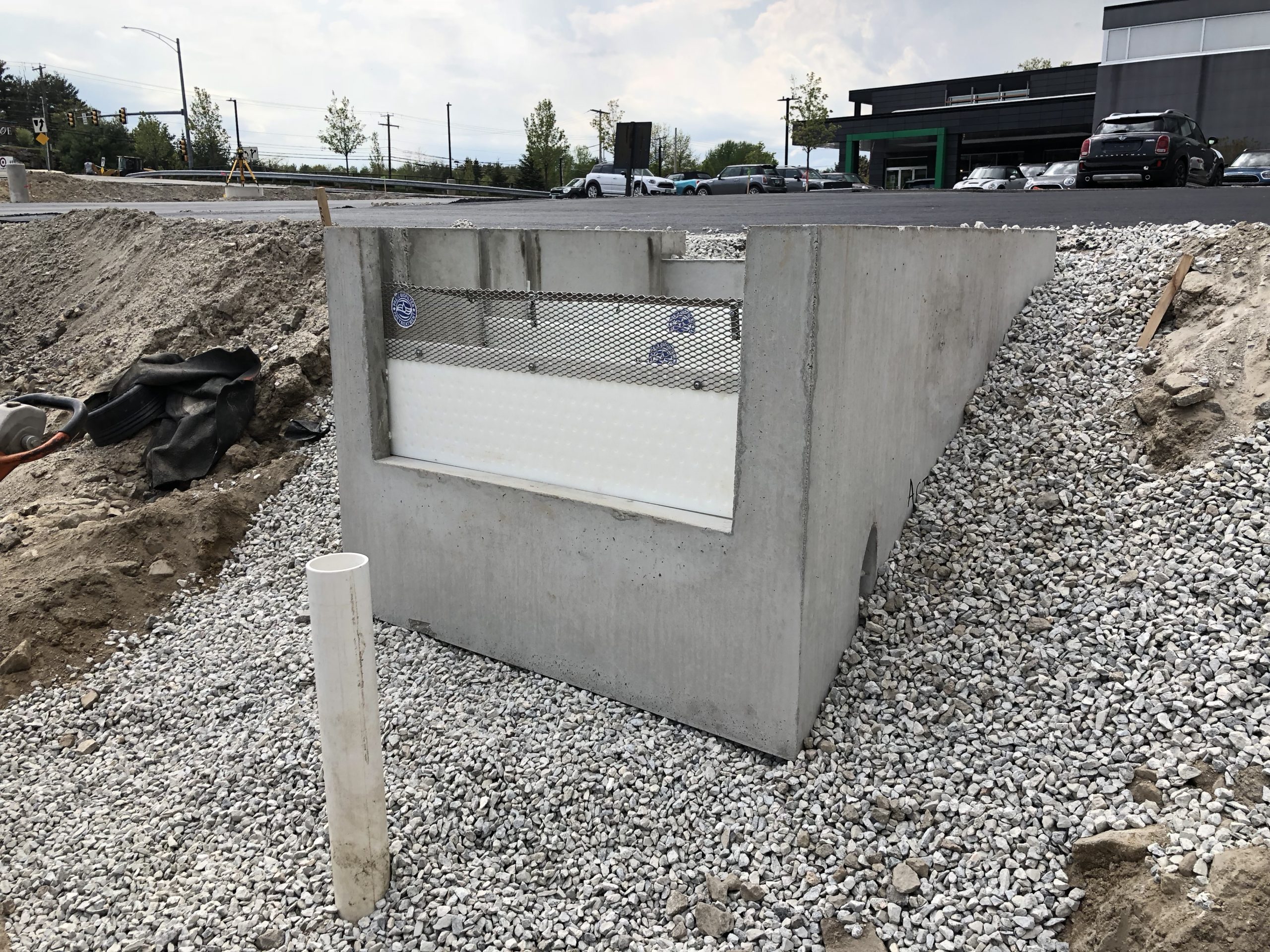
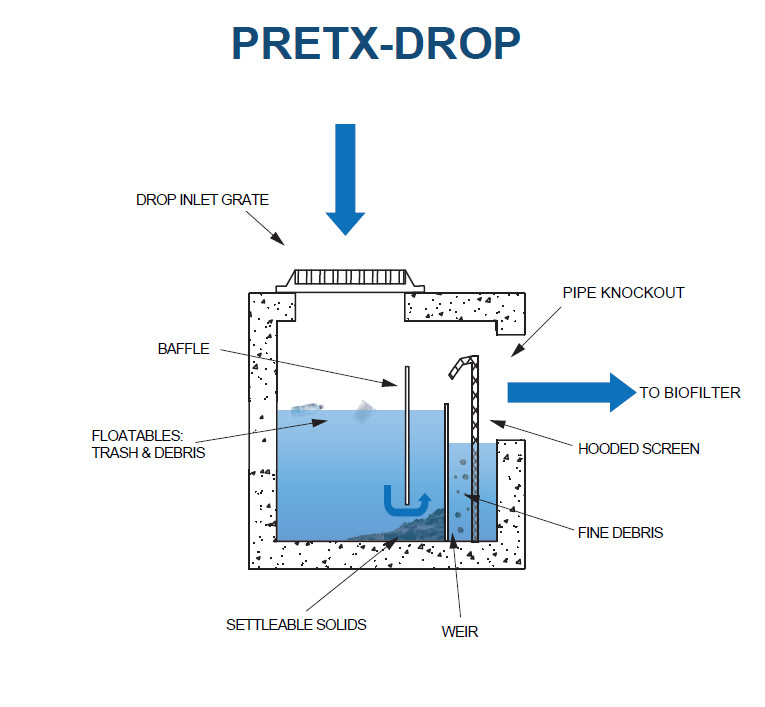
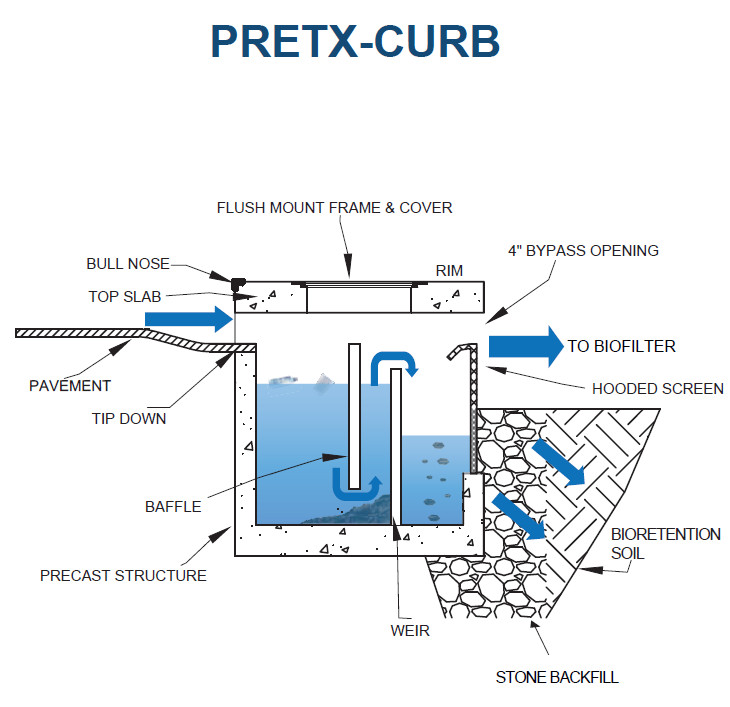
A baffle helps hold bottles, cups and leaves in the initial sump area.
02 / Settle Material
Sand, saturated leaves and other settleable material collect in the sump behind the weir.
03 / Screen the Outlet
An outlet screen intercepts smaller debris before water continues to the next practice. Inspect accumulated material to keep the flow path open.
The structure uses a precast concrete shell with HDPE and stainless-steel internal components. The selected detail establishes the inlet, outlet and bypass arrangement.
PRETX Curb or PRETX Drop?

PRETX Curb
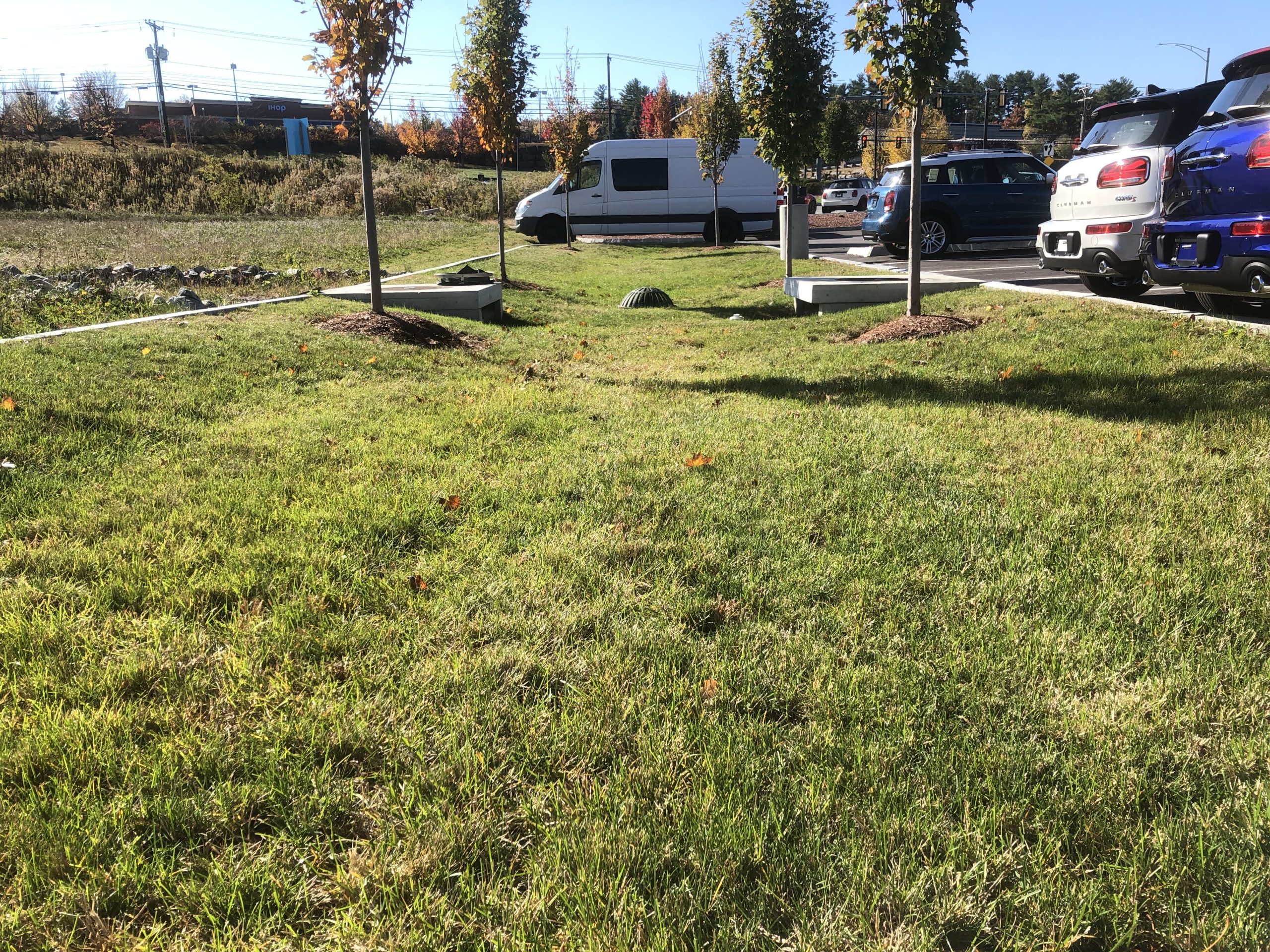
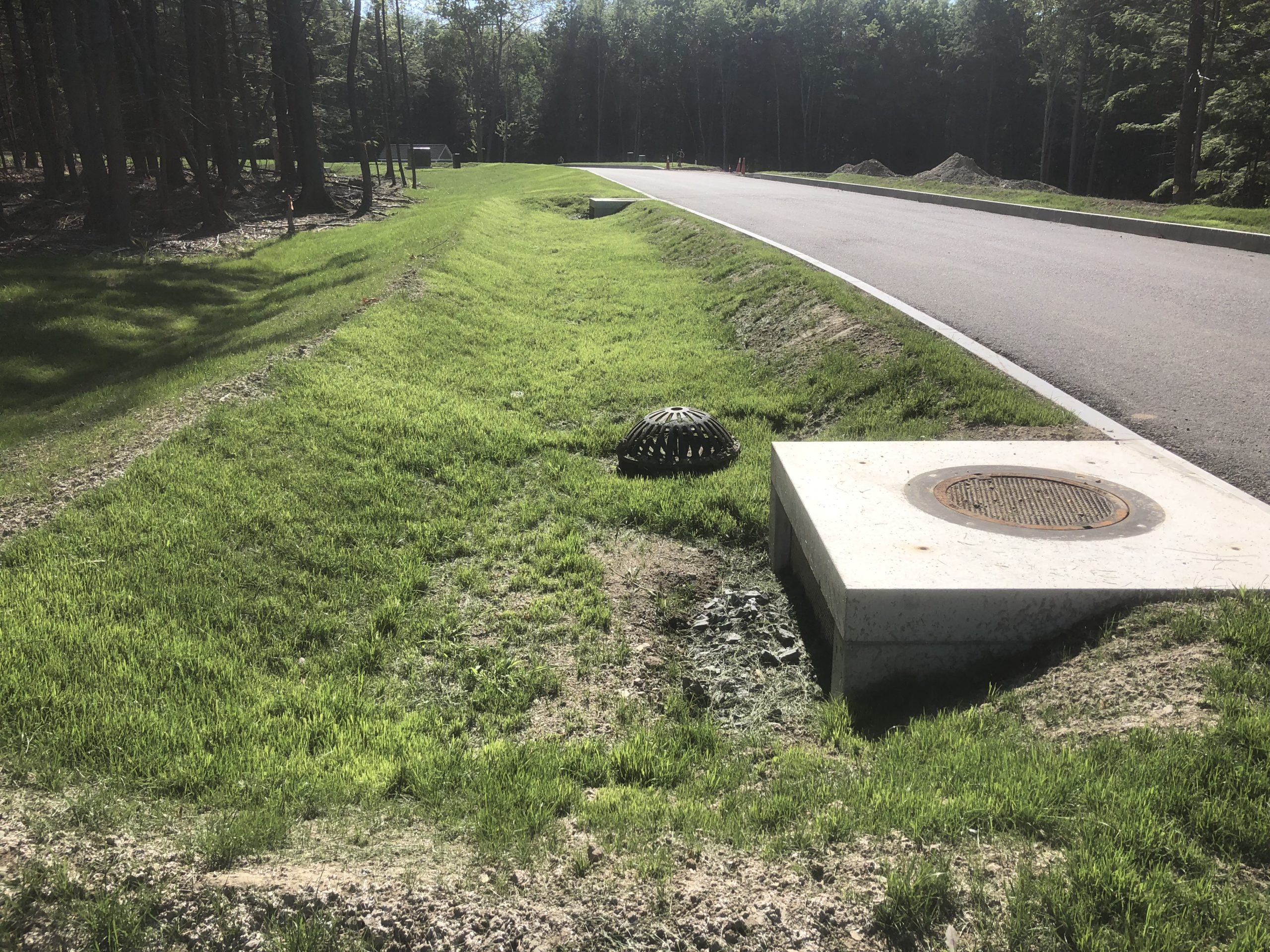
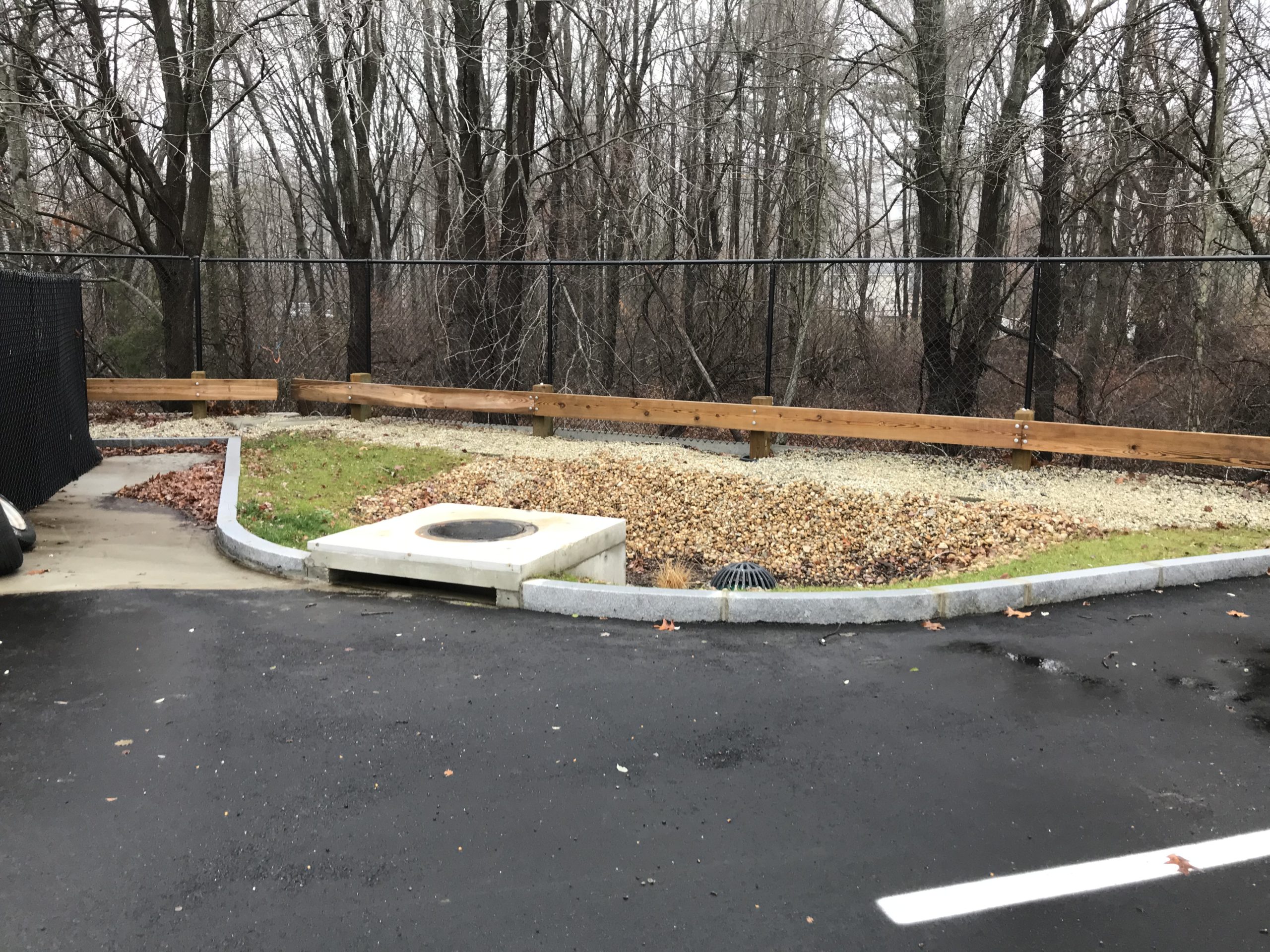
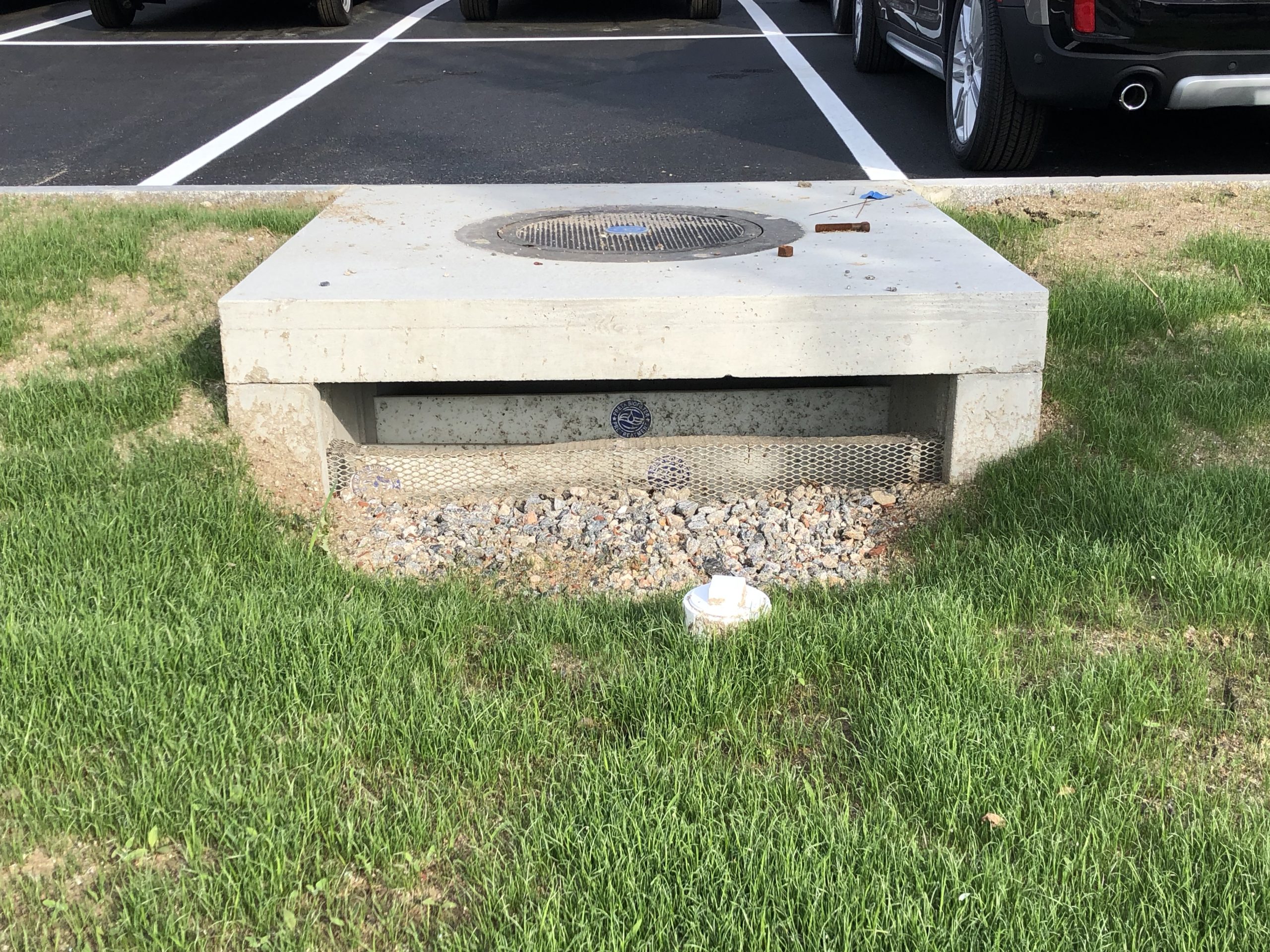
Evaluate curb-cut runoff entering from the pavement edge. The curb model can take the place of a stone spreader at the entrance to a downstream practice.

PRETX Drop
Evaluate a grated drop-inlet connection along the curbline. Coordinate the selected grate, inlet orientation and downstream outlet with the drainage layout.
New construction and retrofit applications can be considered. These are the two principal configurations described on the manufacturer overview; other connection details require project review.
Size Treatment and Conveyance Separately
The manufacturer sizing guide distinguishes treatment flow from peak conveyance capacity. Its capacity and drainage-area guidance depend on hydraulic assumptions, including free discharge, inlet geometry and available head.
Required Water-Quality Flow
Identify the flow requiring pretreatment and the downstream practice it serves. Do not use a peak conveyance value as a treatment-rate claim.
Elevation & Tailwater
Provide pavement and curb elevations, outlet invert and downstream water levels. Confirm the available drop and the effect of tailwater.
Larger-Flow Routing
Coordinate the bypass with the selected model and drainage plan. Confirm where larger events go without compromising the downstream facility. Download the Sizing Guide →
Put Pretreatment Ahead of the Treatment Bed
Use the inlet as the first service point in a coordinated stormwater system. Keep the capture location, downstream treatment and final discharge route connected in the design review.
Upstream / PRETX
Plan where incoming debris collects and how a maintenance crew reaches it.
Downstream / Treatment
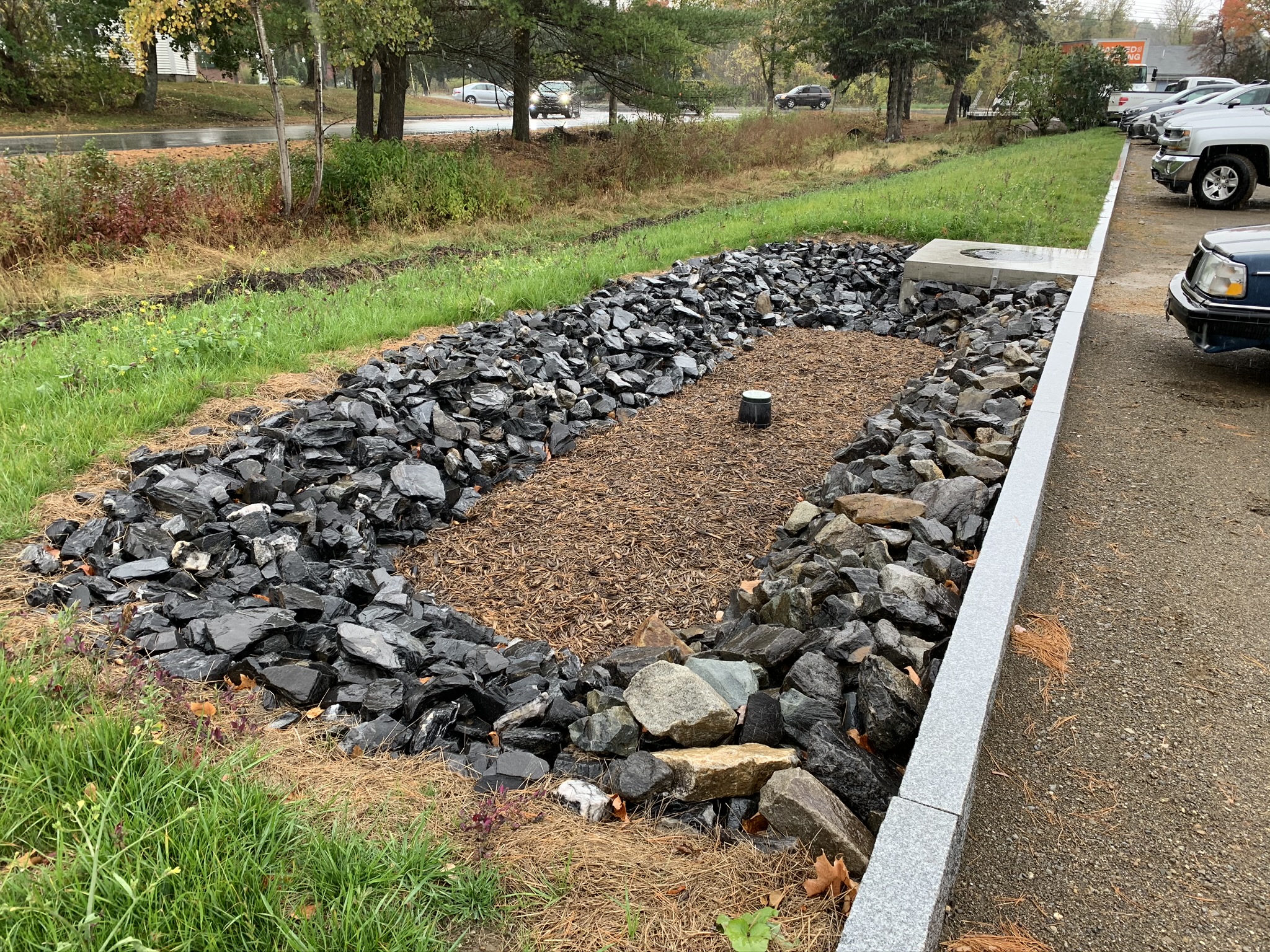
Coordinate the outlet with biofiltration, bioretention or an infiltration practice. For a FocalPoint concept, ask RHM to review the interface with the manufacturer.
Beyond / Site Drainage
Identify overflow, storage and discharge connections so the complete drainage path is clear to the project team.
Make the Connections Work in the Field
Verify Before Excavation
Check utilities, structure orientation, grades and inlet/outlet elevations against the approved layout. Include the frame, grate and cover requirements in the submittal.
Protect the Downstream Practice
Coordinate temporary sediment controls and construction sequencing. Manufacturer details call for upstream site work and stabilization before connecting treatment facilities to the conveyance system.
Confirm Before Backfill
Verify internal components, outlet clearances and access for cleaning. Arrange the required engineer review before backfill, then complete cleanup and acceptance checks.
Use the approved project drawings and current manufacturer detail for installation. Construction requirements vary with the selected configuration.
Inspect, Remove Accumulation & Restore Flow
The O&M guide calls for routine annual inspection and cleaning as needed. Actual frequency changes with land use, weather, loading and upstream activity.
Inspect
Check the sump, baffle, outlet screen, inlet and drainage condition. Look for structural damage and material accumulation.
Clean
The manufacturer describes vacuum-truck cleanout and pressure washing of internal components. Follow site safety procedures when opening covers and working around traffic.
Record
Document conditions, corrective work and follow-up needs. Use the manufacturer checklist to support consistent inspections. Download the O&M Guide and Checklist →
Get the Right Detail Into the Plan
01 / Define the Application
Share the project location, receiving practice, inlet type, expected loading and design schedule.
02 / Review the Interface
RHM can coordinate manufacturer input on layout, sizing information, elevations and the appropriate technical documents.
03 / Develop the Scope
Confirm the structure and internal components, connections, access requirements and delivery needs before requesting final pricing.
PRETX FAQs
Is PRETX a complete water-quality treatment system?
PRETX provides upstream pretreatment. Review the downstream treatment practice separately against the project’s pollutant-removal and permitting requirements.
Can it be used on a retrofit?
Potentially. Start with existing grades, utilities, structural clearances and the connection to the downstream practice.
Does it replace maintenance of the biofilter?
No. It concentrates incoming material at a service point, but both PRETX and the downstream practice still require inspection and maintenance.
Can I choose the model from drainage area alone?
Use the sizing guide with the hydraulic design, required treatment flow and outlet conditions. The guide’s acreage recommendations include stated assumptions.
Is PRETX the same as PRETX-LT?
PRETX-LT is a related configuration with its own details. This page focuses on the Curb and Drop arrangements described in the PRETX overview. Request the appropriate detail for the intended application.
What should I send for a quote?
Include plans, site location, model or inlet type, quantity, elevations, flow information, downstream connection and delivery timing. Identify unusual access or loading requirements.
Drawings, Sizing & Maintenance Documents
Overview & Selection
Configuration Details
Curb Inlet Example (PDF) →
Drop Inlet Example (PDF) →
Drop With Open Back (PDF) →
Operations & Reference
Review the current revision and selected configuration with RHM before incorporating a detail into the construction documents.
Discuss PRETX With R.H. Moore
Tell us what the inlet needs to protect and how the site will be maintained. We can help organize the next technical discussion and develop a project-specific pricing request.
Send What You Have
Florida project location, drainage plan, inlet and outlet details, downstream practice, required flow, quantities and schedule.
Know the Next Step
We clarify missing information, coordinate manufacturer review where needed and confirm the scope for a recommendation or quote.