
Floating Treatment Wetlands
Atlan Floating Wetlands
Naturalized Stormwater Treatment for Ponds, Canals, Lakes, and Waterways
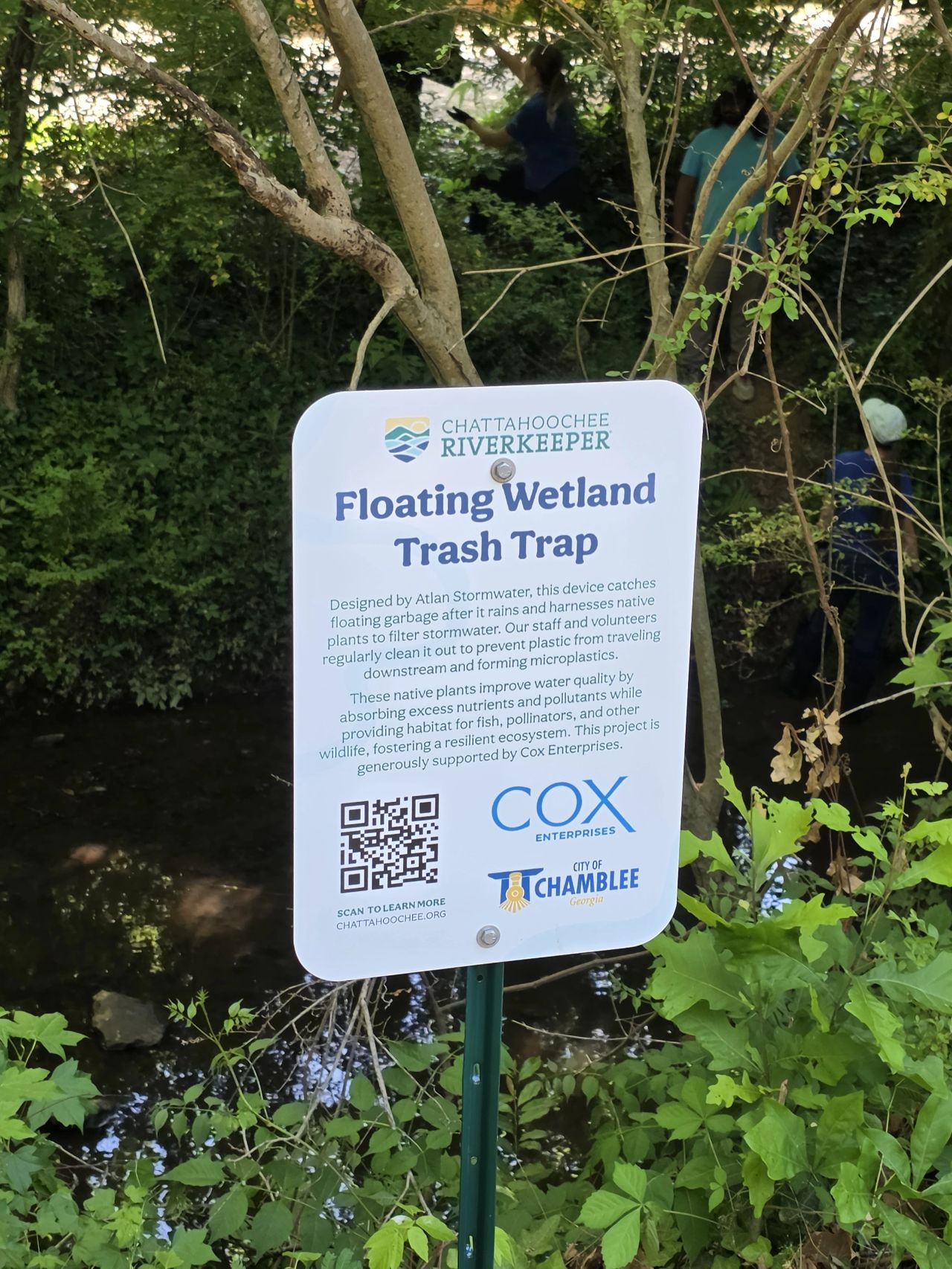
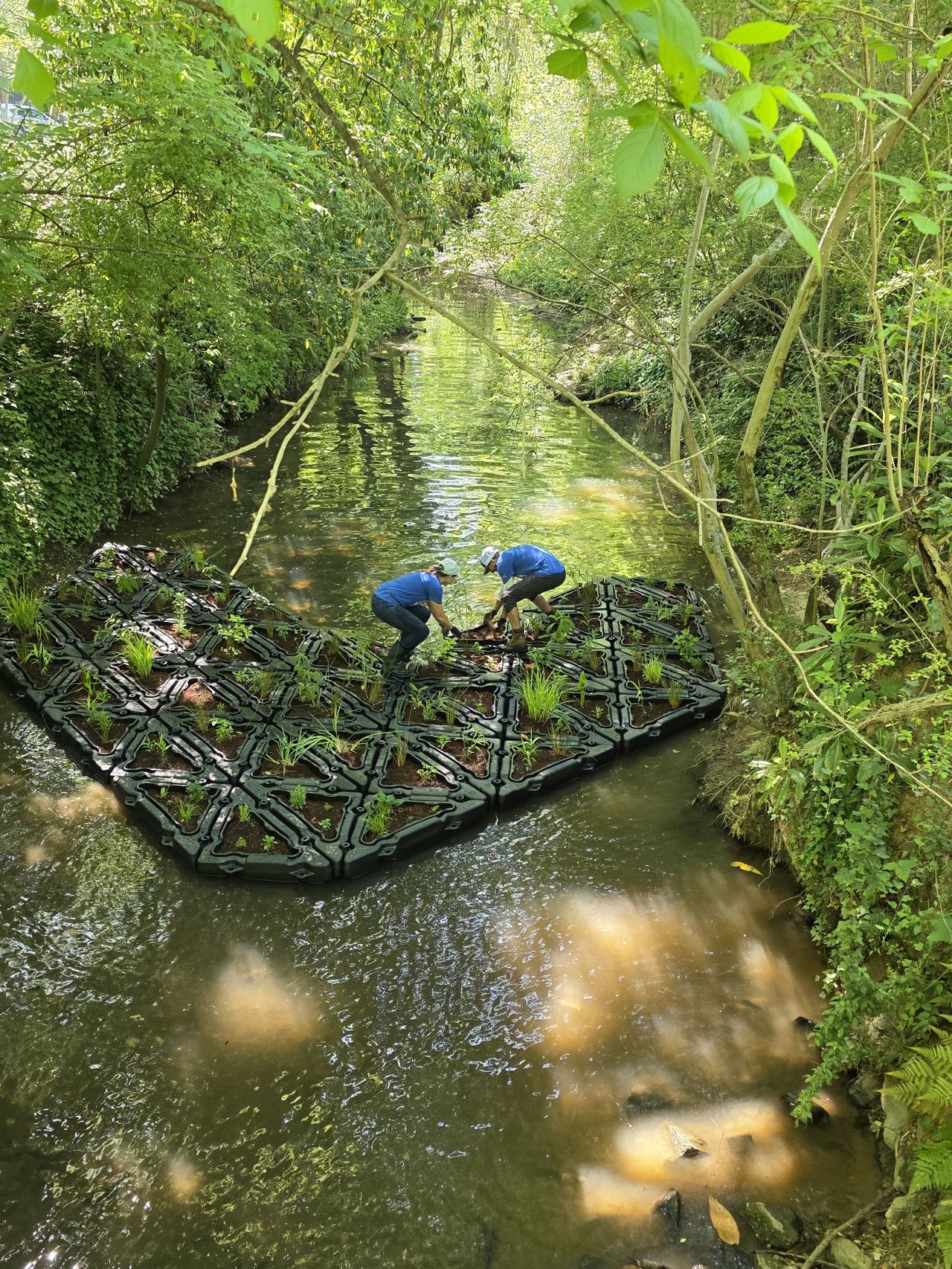
Floating Wetlands create a planted, floating treatment environment on permanent waterbodies, helping improve water quality while adding habitat, visual value, and ecological function.
For Florida stormwater ponds, canals, lakes, and restoration projects, floating wetlands offer a modular way to reduce nutrients, support biodiversity, and improve waterway performance without requiring additional land.
The Challenge: Water Quality Without More Land
Stormwater ponds, urban canals, lakes, and detention areas often need improved treatment performance, but expanding traditional infrastructure can be difficult, costly, or impractical. Floating Wetlands use the water surface itself as treatment area, helping address nutrients, suspended solids, algae pressure, and habitat loss while preserving the surrounding site.
How Floating Wetlands Work
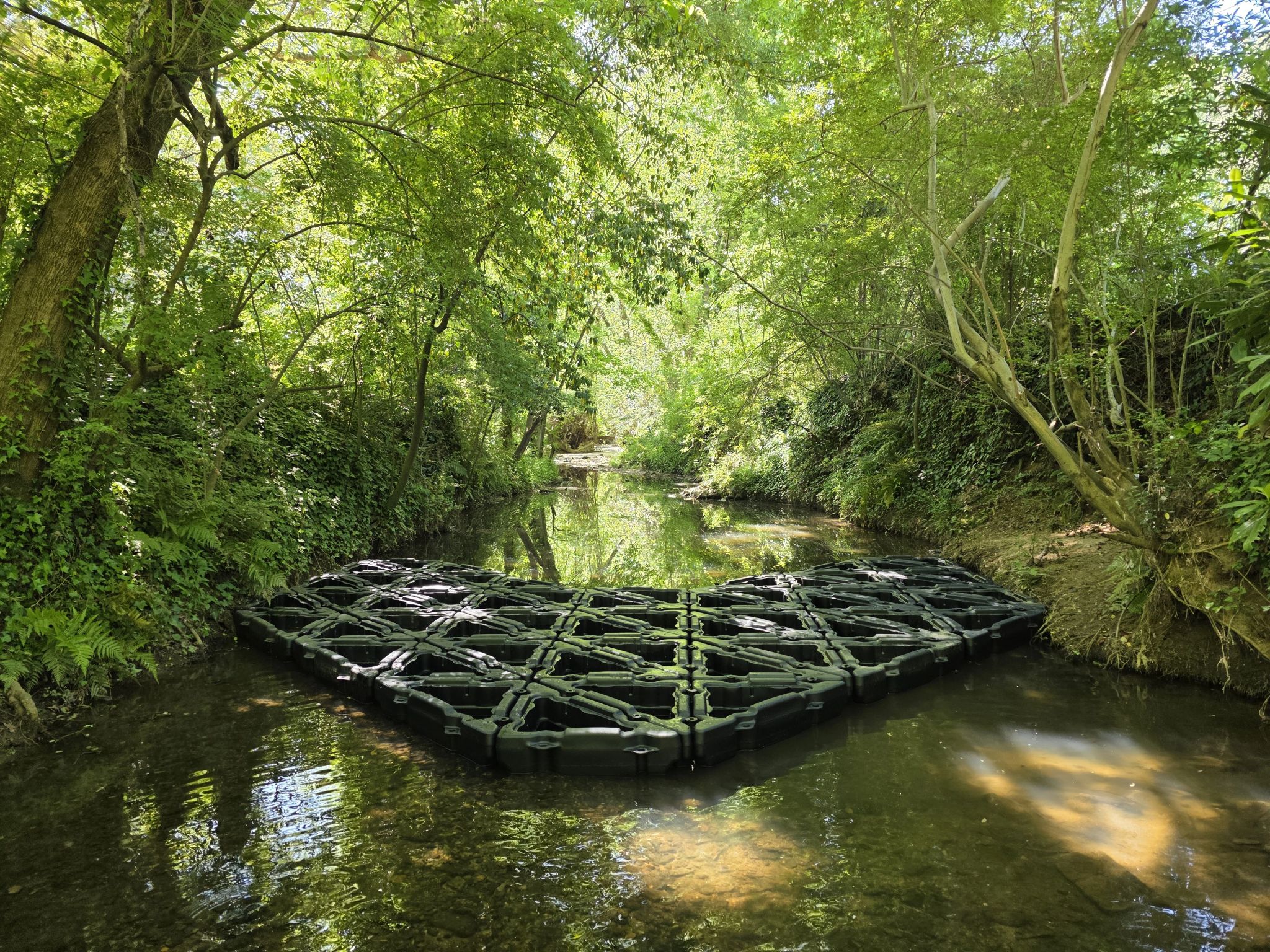
Floating Wetlands support vegetation above the water surface while plant roots extend into the water column. Those roots create a large biological surface area where microbes and biofilm help trap and digest organic matter and nutrients.
This natural treatment process can help reduce total suspended solids, nutrients, gross pollutants, heavy metals, fine particulates, nitrogen, phosphorus, and other water quality concerns.
- Plant roots create biological treatment pathways
- Biofilm supports nutrient and pollutant removal
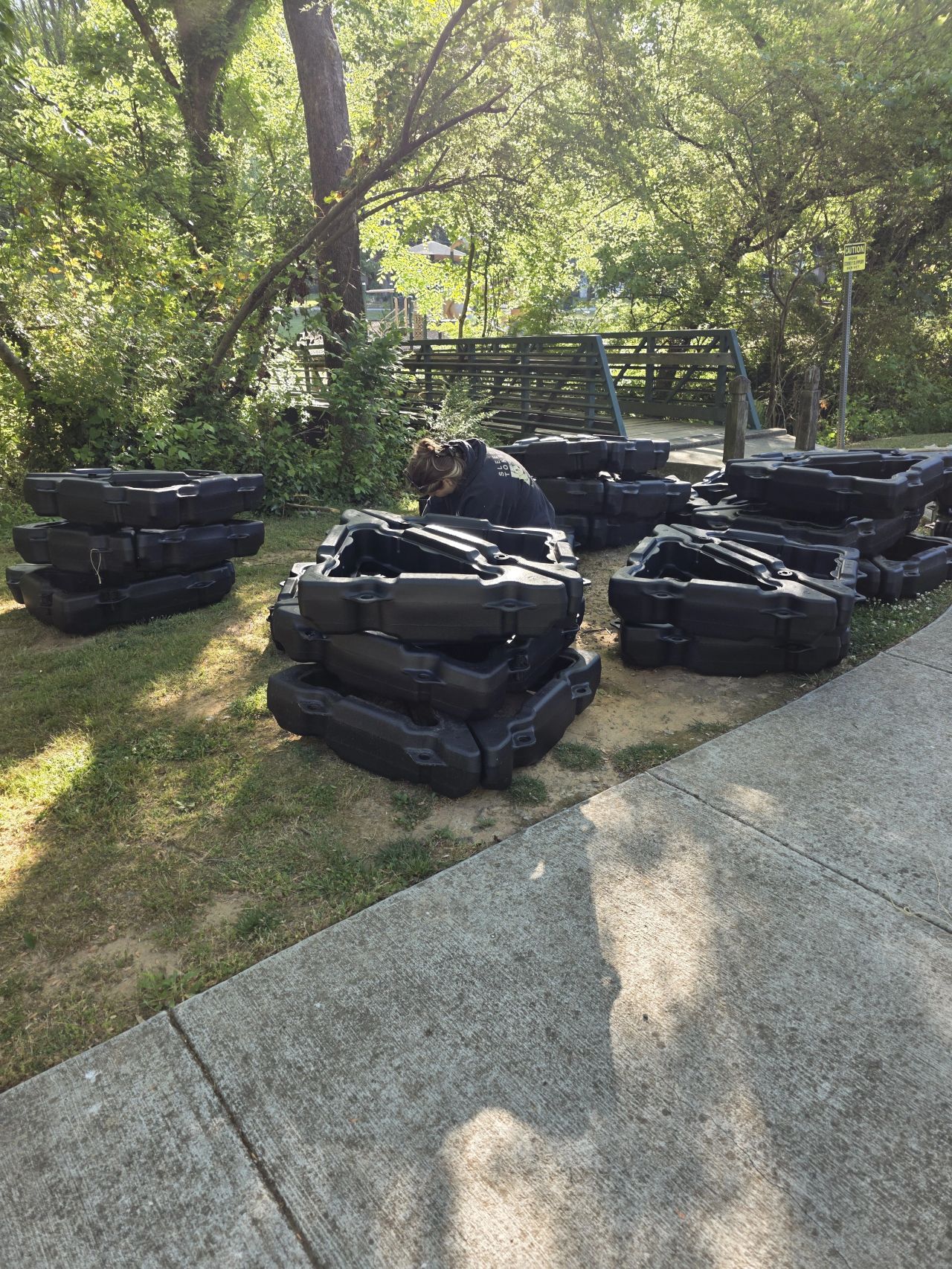
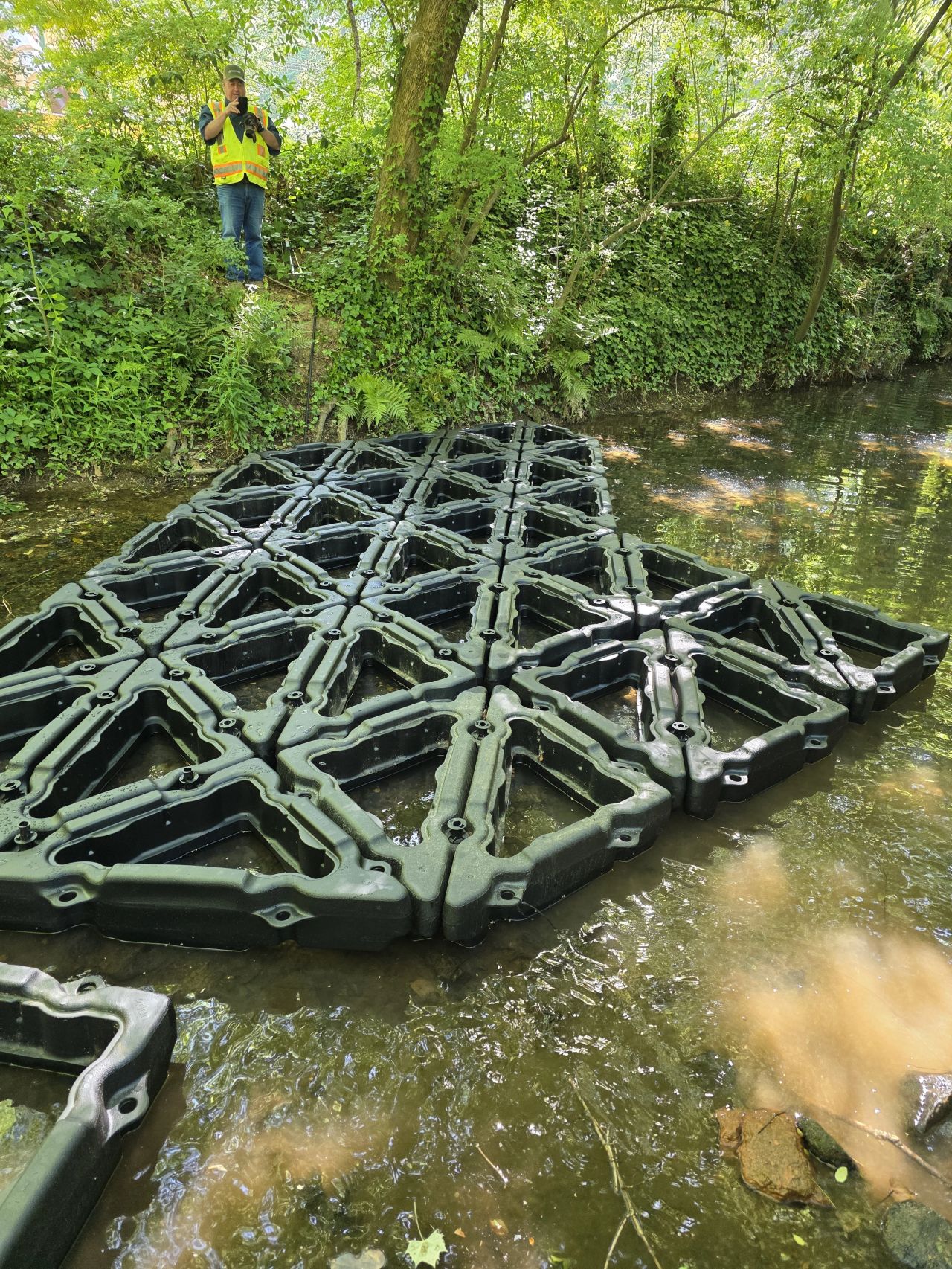
- Floating modules can retrofit existing waterbodies
- Native planting can support habitat and aesthetics
Key Benefits
Water Quality Improvement
Helps remove nutrients, suspended solids, fine particulates, and pollutants from the water column.
Habitat Enhancement
Creates floating habitat for plants, fish, birds, turtles, frogs, and other local species.
Modular & Scalable
Systems can be customized, expanded, or staged based on waterbody size, budget, and treatment goals.
Zero Land Use
Uses open water surface area, helping improve treatment capacity without acquiring or disturbing additional land.
Where Floating Wetlands Fit
Stormwater & Municipal Applications
- Stormwater ponds
- Urban canals
- Detention lagoons
- Municipal waterways
- Existing pond retrofits
Environmental & Site Applications
- Lake and stream restoration
- Habitat enhancement
- Community facility beautification
- Golf course water features
- Industrial or agricultural water treatment
Improve water quality naturally.
Floating Wetlands can help turn existing ponds, canals, and waterbodies into active treatment assets.
Floating Wetlands in Miami Canal Ecosystems
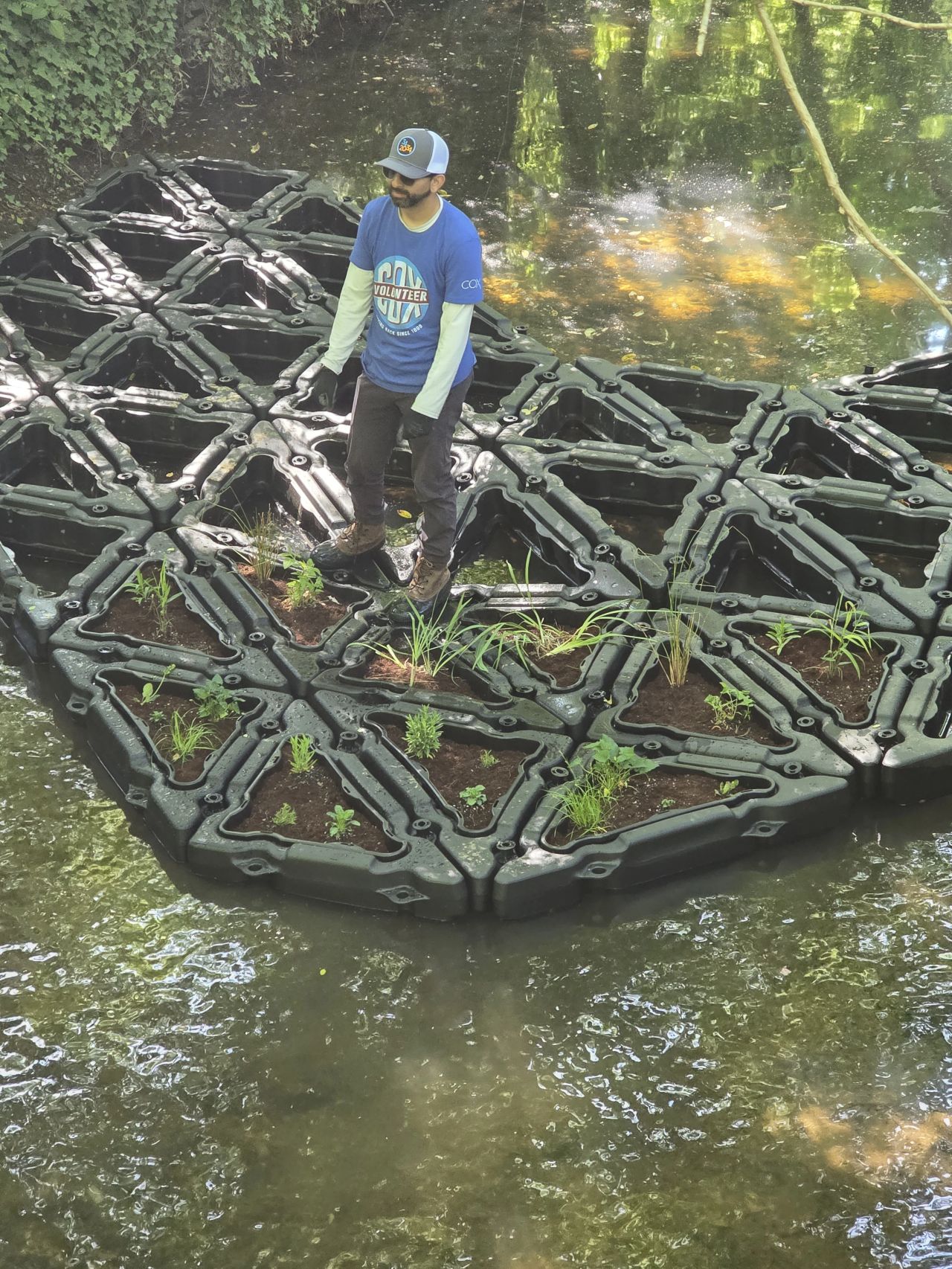
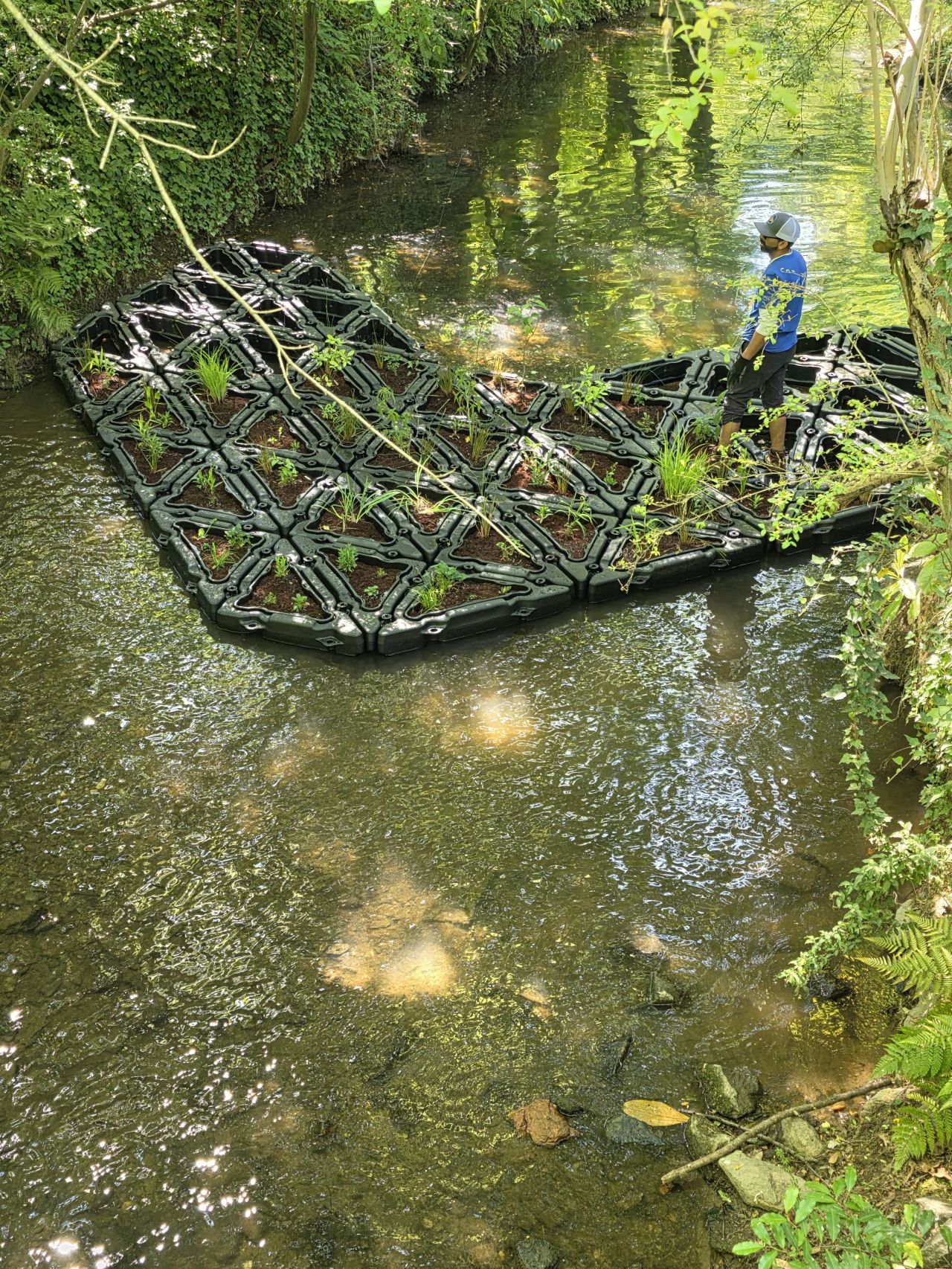
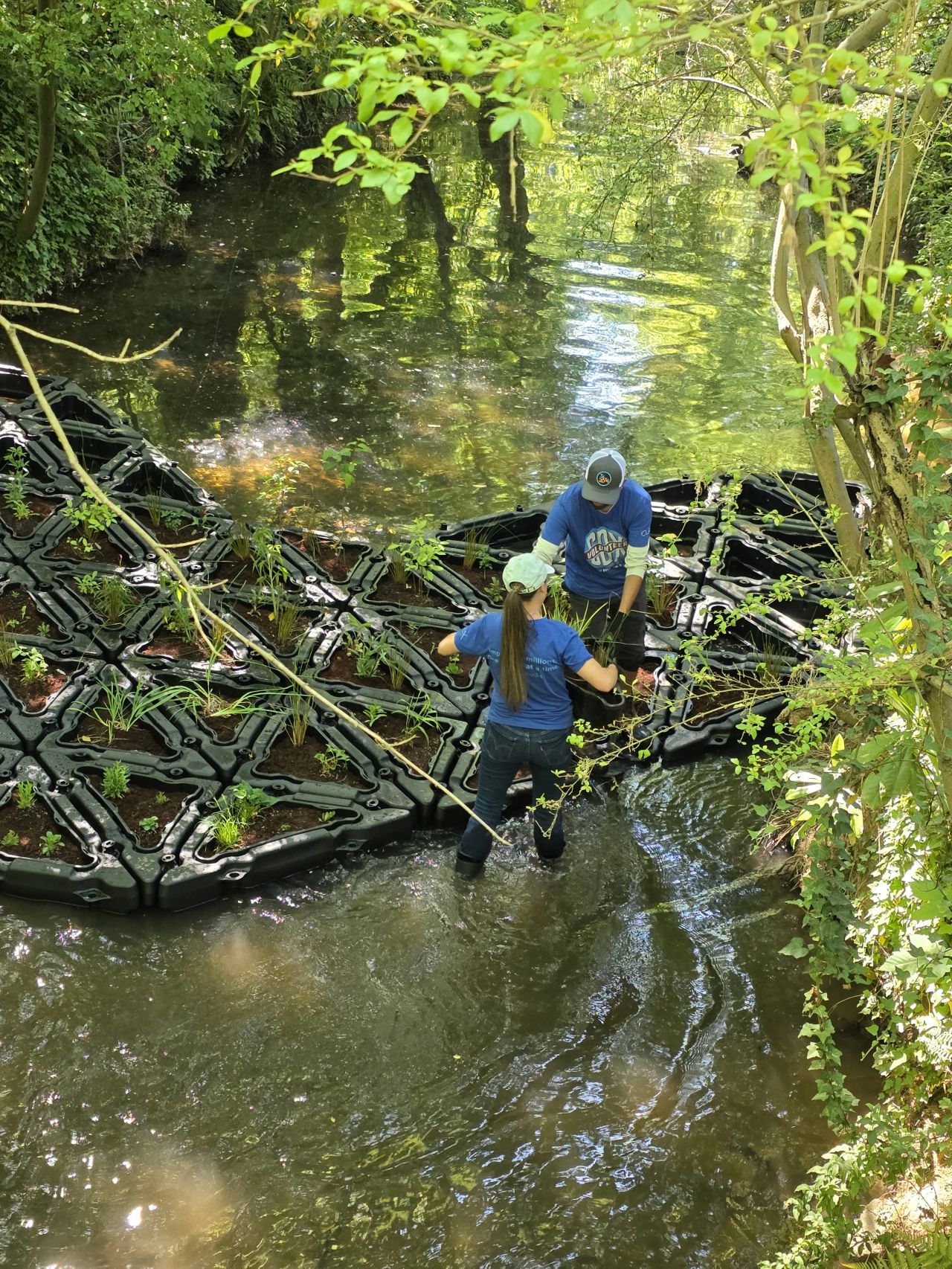
In Pinecrest, Florida, Floating Treatment Wetlands are being used in a pilot program to improve canal water quality, address invasive aquatic plant pressure, and support broader Biscayne Bay restoration objectives.
The project includes three Floating Flower islands, each consisting of 68 modules, with a combined coverage of approximately 330 square feet. The two-year pilot is evaluating plant growth, nutrient removal through biomass extraction, and water quality changes over time.
Challenge
Urban canal systems face stormwater pollution, invasive aquatic plants, nutrient loading, and downstream ecosystem impacts.
Solution
Modular Floating Wetland islands were deployed to provide naturalized treatment and habitat within the canal system.
Outcome
The pilot is generating field-scale data to support future municipal adoption and regional scaling.

RHM Value: Product Selection, Application Guidance, and Florida Project Support
Floating Wetlands are not simply dropped into a pond and forgotten. Project success depends on site goals, waterbody conditions, planting strategy, anchoring, treatment objectives, maintenance expectations, and constructability.
R.H. Moore helps project teams evaluate whether Floating Wetlands are the right fit and supports product selection, coordination, and implementation from concept through installation.